Station 05 · Ecology
A hunting ground for whales and a nursery for tides.
Fundy's currents pull deep-water nutrients into sunlit shallows — a feast that draws twelve species of whale, hundreds of thousands of seabirds, and rare fish that use these waters as a nursery.

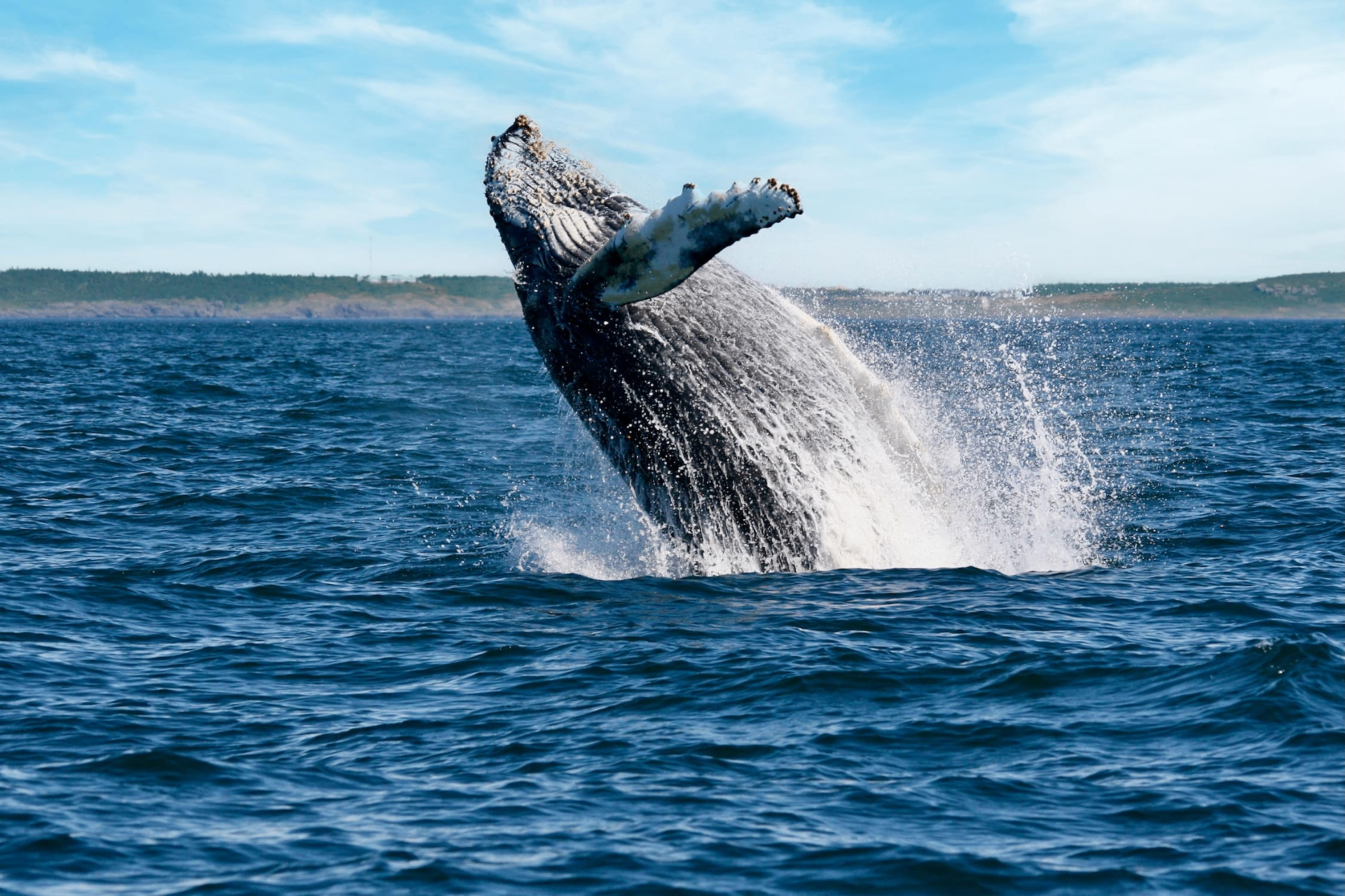
Whales
Humpback, Fin & Minke Whales
Most common in the outer bay from July to September. Humpbacks slap tails and breach — a sight boat tours from Digby Neck and Grand Manan almost guarantee in season.
Learn about humpbacks →
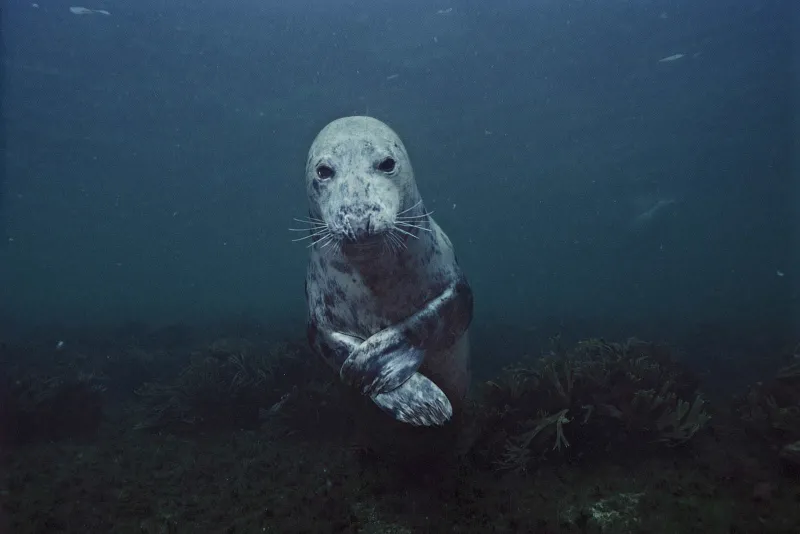
Seals
Harbour & Grey Seals
Year-round residents. Colonies haul out on rocks and small islands off Deer Island, Grand Manan, and the Digby Neck. Look for curious heads in the surf near ferries.
Learn about seals →
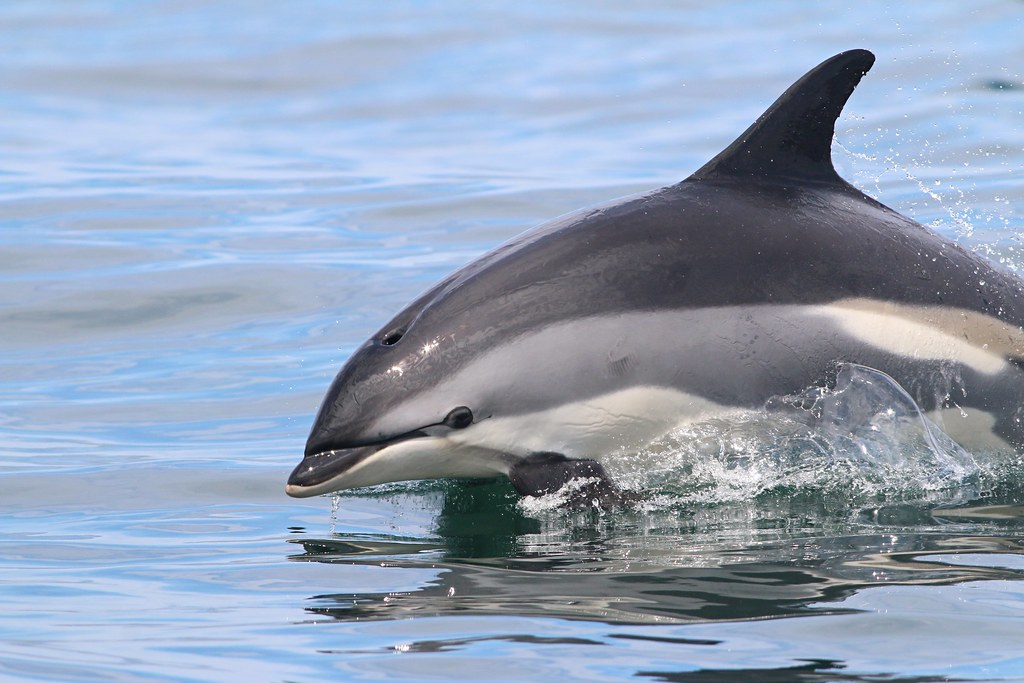
Dolphins & Porpoise
Atlantic White-sided Dolphin & Harbour Porpoise
Small, playful, and often seen from whale-watching boats. The harbour porpoise is the smaller of the two, staying close to the coast in tight family groups.
Learn about porpoises →
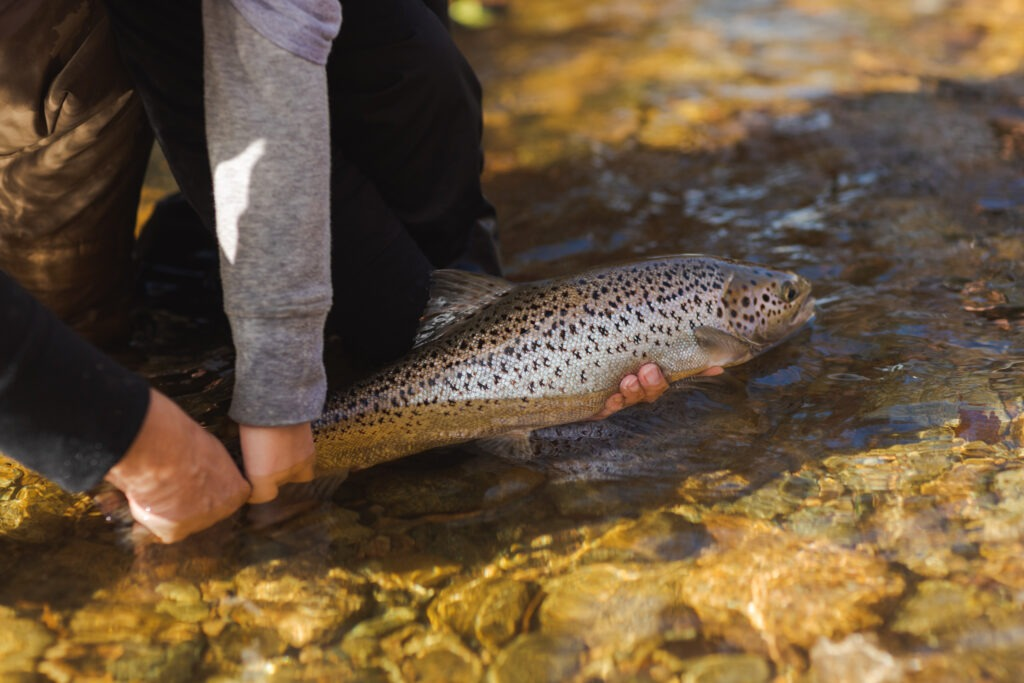
Fish
Atlantic Salmon
Endangered inner-bay populations return each summer to spawn in rivers like the Petitcodiac and Big Salmon. Conservation efforts are underway to rebuild wild stocks.
Learn about Atlantic salmon →

Fish
Atlantic Sturgeon
Ancient armoured fish that can reach four metres. Fundy is one of the few spots where they gather in numbers — an increasingly hopeful conservation story.
Learn about Atlantic sturgeon →
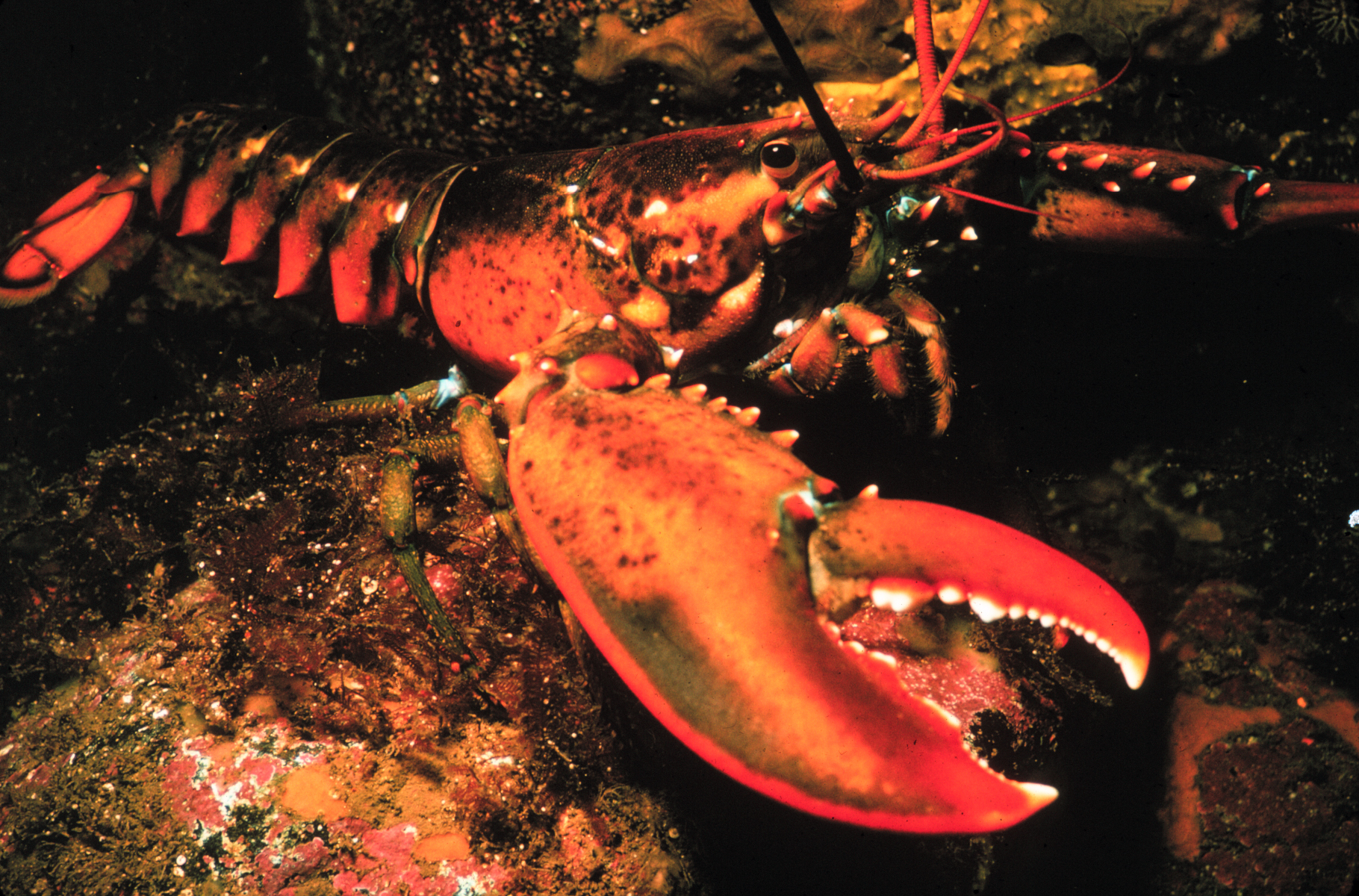
Shellfish
Lobster
The bay produces some of the world's best cold-water lobster. Season depends on region — Grand Manan lands its haul in late spring and summer.
Learn about American lobster →
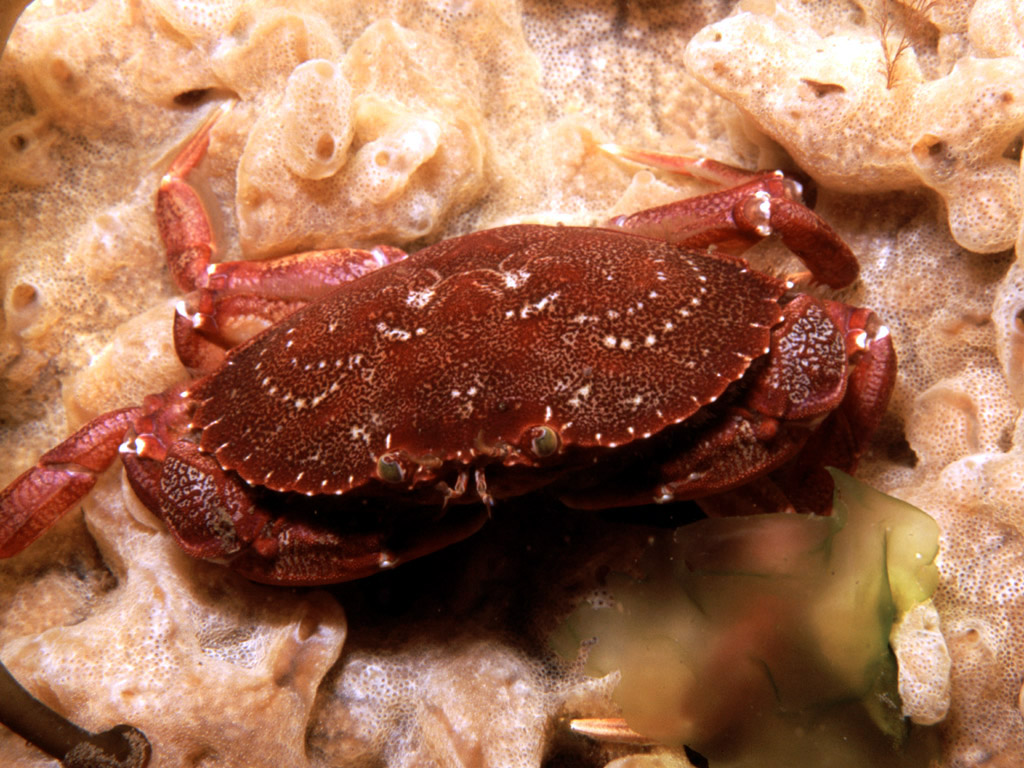
Shellfish
Rock & Snow Crab
Found along rocky shorelines and in deeper cold water. Rock crab are the small ones you'll spot in tide pools; snow crab live offshore.
Learn about rock crab →
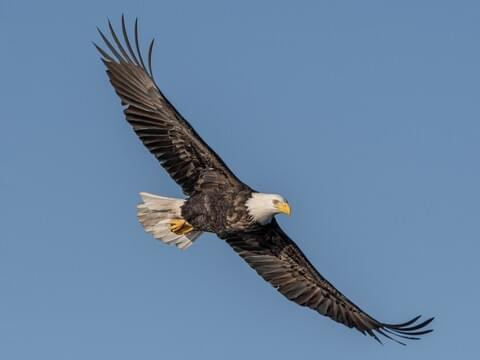
Raptors
Bald Eagles
Now abundant year-round across the bay, with the largest wintering populations on the Nova Scotia side. Watch for them perched on tall spruce along shorelines.
Learn about bald eagles →

Shorebirds
Semipalmated Sandpipers
Every August, up to 75% of the world's semipalmated sandpipers stop at Fundy mudflats — one of the great migrations on Earth. Johnson's Mills in Nova Scotia is a top viewing spot.
Learn about sandpipers →
Also watch for
Great blue herons stalking the marshes, common eiders bobbing offshore, and osprey nesting on channel markers. Atlantic puffins are more of a Newfoundland bird — the closest Fundy-adjacent colony is on Machias Seal Island, off Grand Manan.

Tide pools
Sea Stars & Urchins
Common orange sea stars cling to the rocks at St. Martins and Cape Enrage. Green sea urchins pack the deeper crevices. Look — don't take.
Learn about sea stars →

Drifters
Jellyfish
Moon jellies and the larger lion's mane jellyfish drift in from July. Lion's mane can sting — don't touch, even on the beach.
Learn about lion's mane jellyfish →

Intertidal
Periwinkles, Barnacles & Mussels
The intertidal zone is packed with life adapted to being submerged and exposed twice a day. Take a slow walk at low tide and you'll spot dozens of species.
Learn about the intertidal zone →
Seasonal note — whales are most reliably spotted mid-July through early September; shorebirds peak in August; seals are year-round.