Station 05.7 · Fish & Shellfish

One lives in your tide pool. The other lives in the cold dark.

Atlantic rock crab are the scuttling, palm-sized crabs of Fundy's rocky shorelines. Snow crab live far offshore in deep, cold water and are almost never seen alive by visitors — only on a plate.

Rock & Snow Crab · Field record

Rock crab width

to ~13 cm

Broad, heavy claws

Snow crab span

up to ~90 cm

Exceptional leg span, tip to tip

Snow crab depth

50–280 m

A deep-water species

Where to see

Tide pools

Rock crab at low tide

01

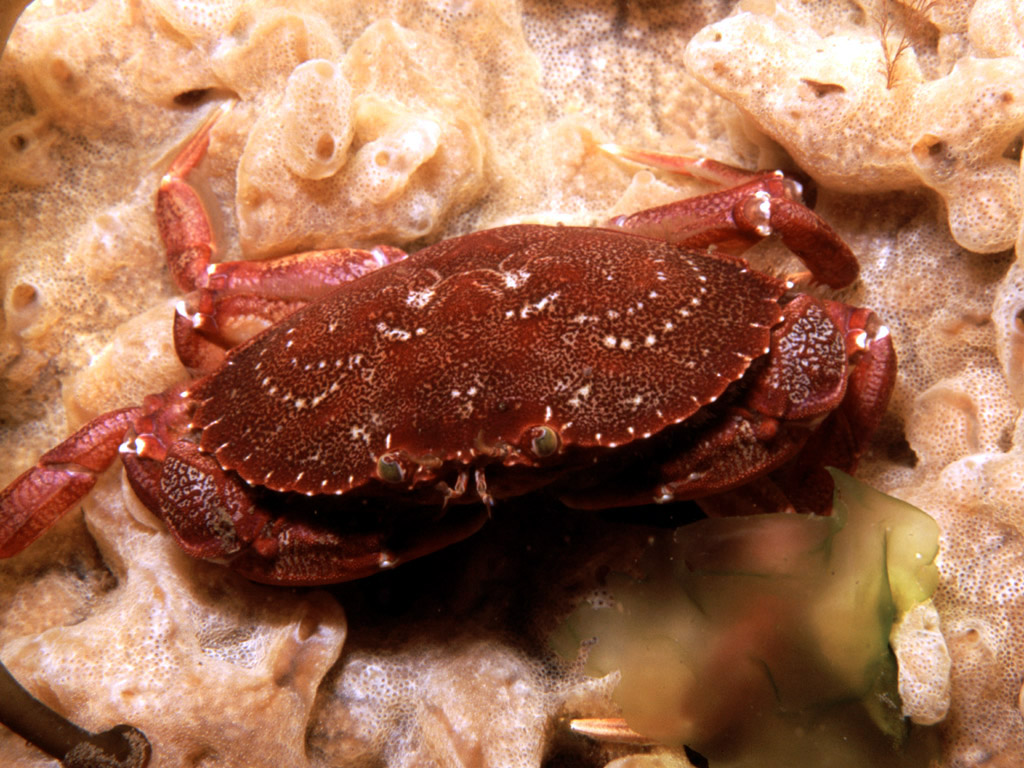
Rock crab: the tide-pool regular

Rock crabs have a broad, hard shell ranging from reddish-brown to yellowish or olive, often marked with darker mottling. The edge of the shell is lined with blunt teeth, and their powerful claws are adapted for crushing hard-shelled prey.

They feed on mussels, clams, worms, small crustaceans, carrion, and whatever else the tide makes available. When the water falls, they retreat into cracks and beneath rocks where they stay protected from drying out.

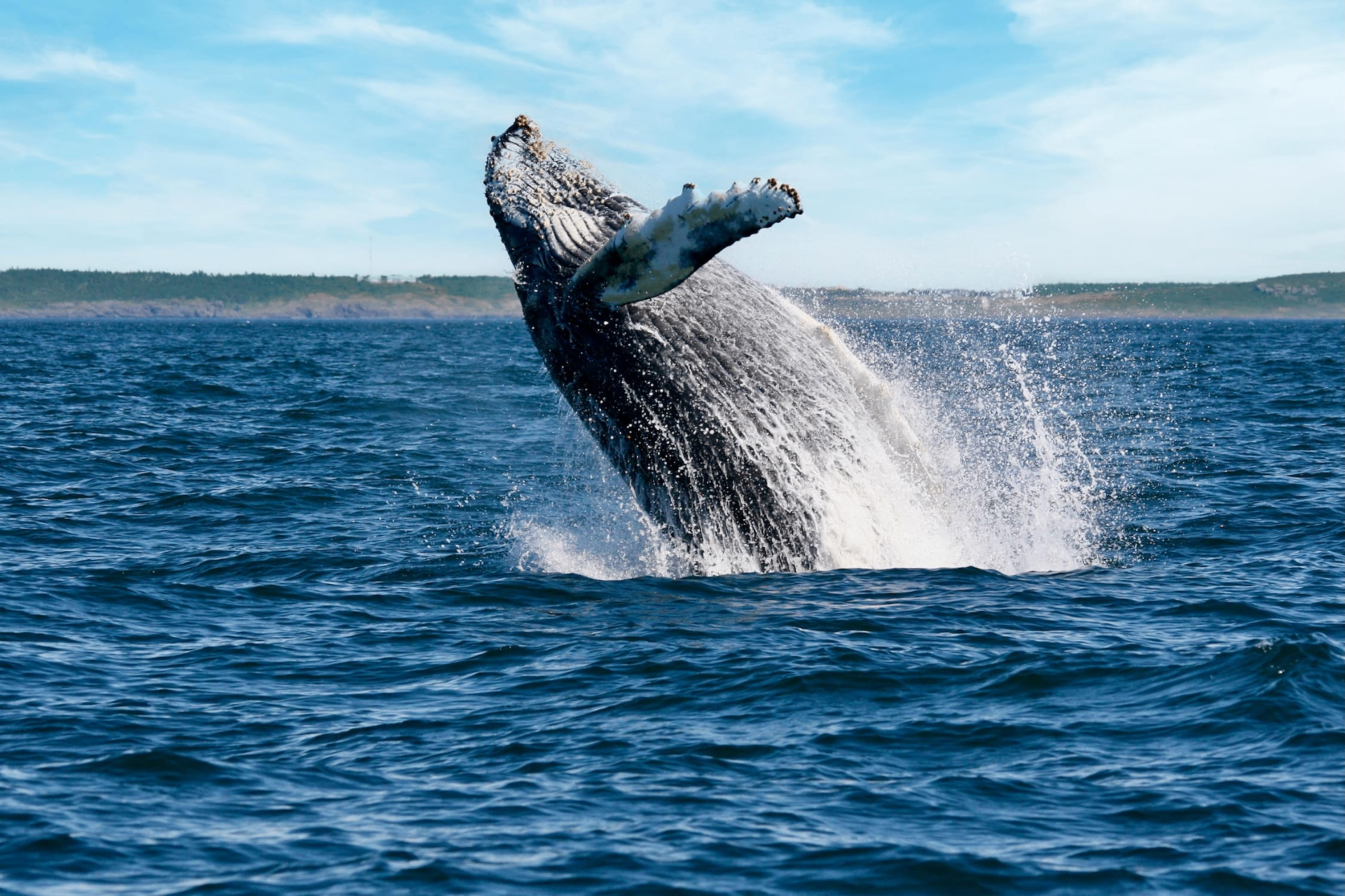
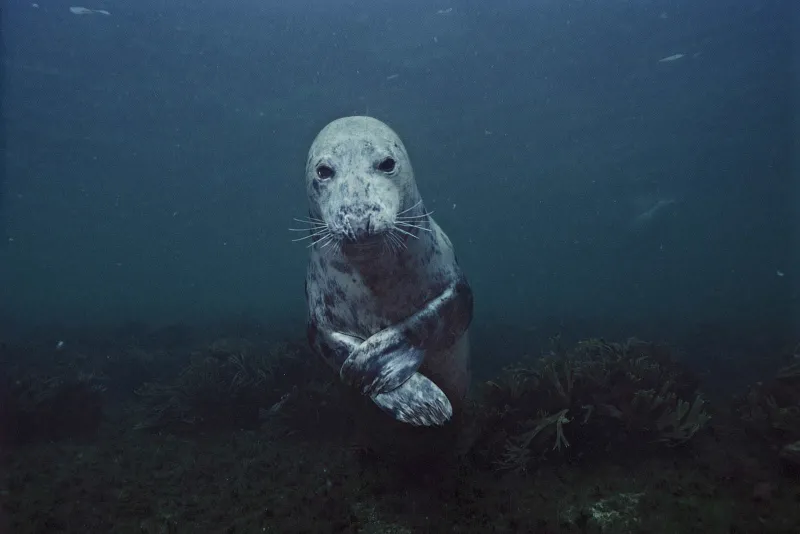
Rock crabs are also important prey for larger animals, including fish, seals, and other predators, connecting the rocky shoreline with the wider Fundy food web.
02

Snow crab: the deep-water cousin

Snow crabs live on sandy and muddy seafloors in cold marine waters. They are especially associated with temperatures below about 3°C and can occur at depths ranging from relatively shallow coastal water to several hundred metres.

Their long legs give them their distinctive spider-like appearance, while the claws provide the valuable meat that supports an important commercial fishery.

Adult male snow crabs eventually reach a terminal moult. After this final moult, their shell and body no longer increase in size. Females have a different growth and reproductive cycle.

03

Watch for the green invader

European green crabs are an introduced species that can compete with native animals and disturb coastal habitats. They dig through sediment while feeding and can damage eelgrass beds and other shallow-water habitat.

If you see a small greenish or brown crab with five teeth or spines along the shell behind each eye, it may be a European green crab rather than a native rock crab.

Fun facts

01

Did you know

Crabs can sometimes shed a leg to escape a predator. The lost limb can gradually regenerate during subsequent moults.

02

Did you know

A crab's eyes are mounted on movable stalks. The stalks allow the animal to scan its surroundings and can be tucked into protected areas of the shell.

03

Did you know

Crabs use gills to exchange gases, and some species can survive out of water for a time as long as their gills remain moist. That's why a crab removed from the sea may still be able to breathe for a while on a damp shoreline.