Station 07G · UNESCO World Heritage Guide

Joggins — a 300-million-year window into the Coal Age.

Joggins Fossil Cliffs sit on the Chignecto Bay shore of Nova Scotia, where the Bay of Fundy's tides scour the cliffs twice a day and expose new fossils in the freshly cut rock. It's a UNESCO World Heritage Site — the most complete fossil record of the Carboniferous 'Coal Age' anywhere on Earth, including the world's earliest known reptiles.

Location

Joggins Fossil Cliffs, Nova Scotia

At the site

The Joggins Fossil Centre is a small museum built right on the cliff top, with fossils, exhibits, a café, and access down to the beach. From the centre a stairway drops to the shore where you can walk the exposed cliff base at low tide — every tide cycle uncovers new plant and animal fossils in the freshly eroded rock.
Best time to visit

  • Open daily, mid-April through late October
  • Time your visit for the two-hour window before low tide to walk the fossil beach safely
  • Check the daily tide chart posted at the centre — times shift ~50 minutes each day
  • Guided walks run several times a day in summer; book ahead on weekends

Things to do

  • Join a guided beach walk with a Joggins interpreter — the best way to actually spot fossils
  • Tour the interpretive centre's Coal Age exhibits and life-size reconstructions
  • Look for fossilised tree trunks, root systems, footprints, and early reptile bones in the beach cobble
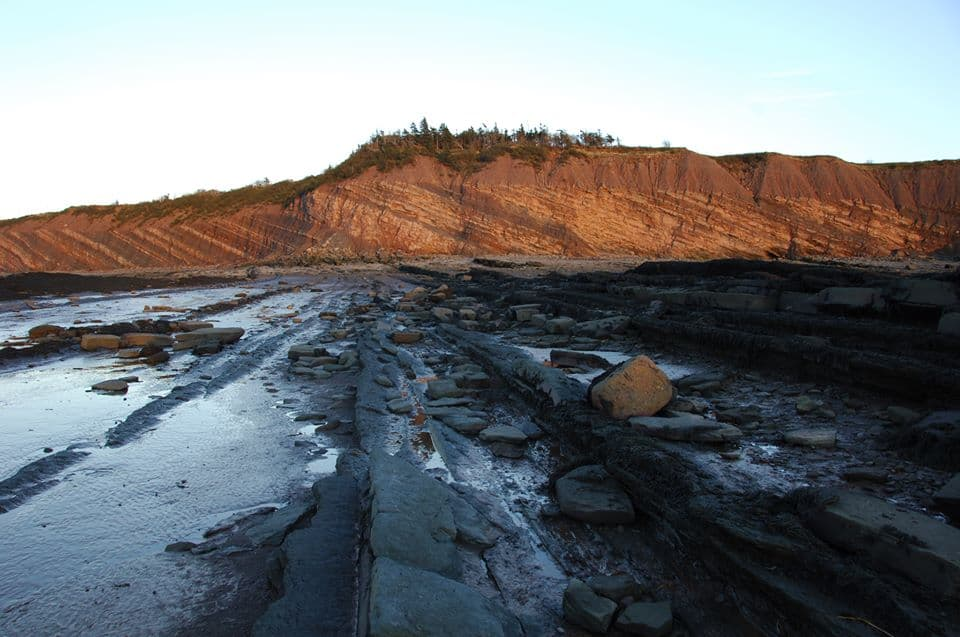
  • Photograph the layered red and grey cliff face at low tide
  • Watch the tide come back in from the safety of the cliff-top viewing deck

Fossil rules

Collecting fossils at Joggins is not permitted — the site is protected under UNESCO and Nova Scotia's Special Places Protection Act. Take photographs, note the location, and hand anything interesting to the centre's staff so it can be catalogued for research.

Food nearby

Joggins Fossil Centre Café — a small on-site café at the interpretive centre with sandwiches, chowder, baking, and coffee. The easiest option before or after a beach walk.

Amherst, about 30 minutes east, has the closest full range of restaurants, groceries, and bakeries if you're making a day of it.

Field photos

From the cliffs and the town.

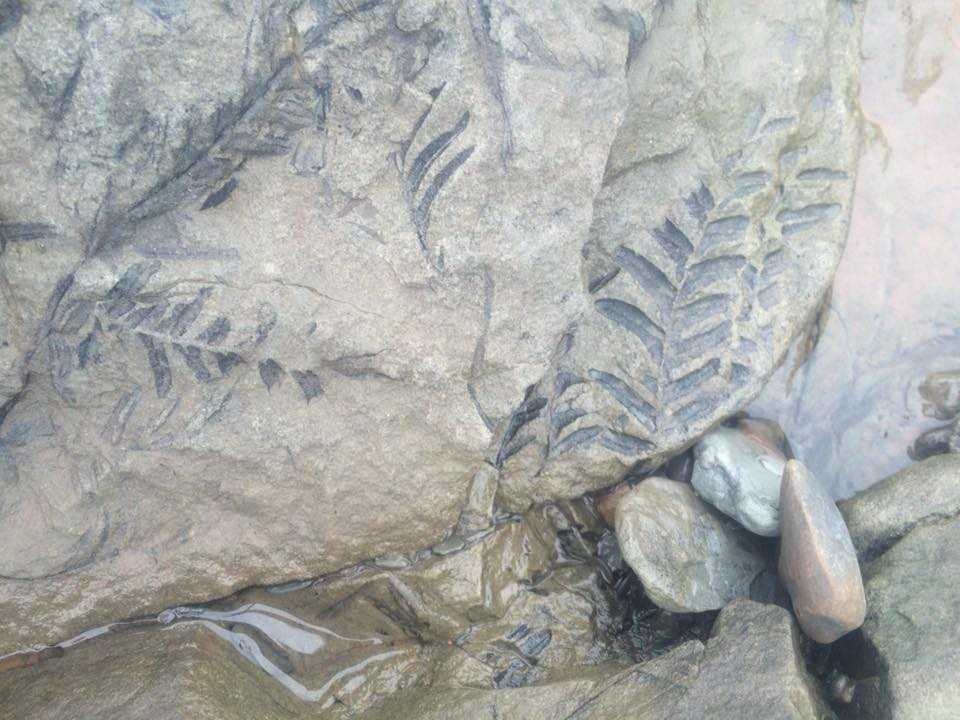
Fossilised fern leaves preserved in a slab of sandstone at Joggins Fossil Cliffs
Fossilised ferns in the freshly eroded cliff rock — 300 million years old.
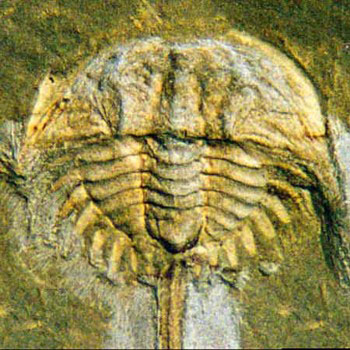
Trilobite fossil pressed into a slab of sedimentary rock
A trilobite fossil — the kind of specimen catalogued at the Joggins Fossil Centre.
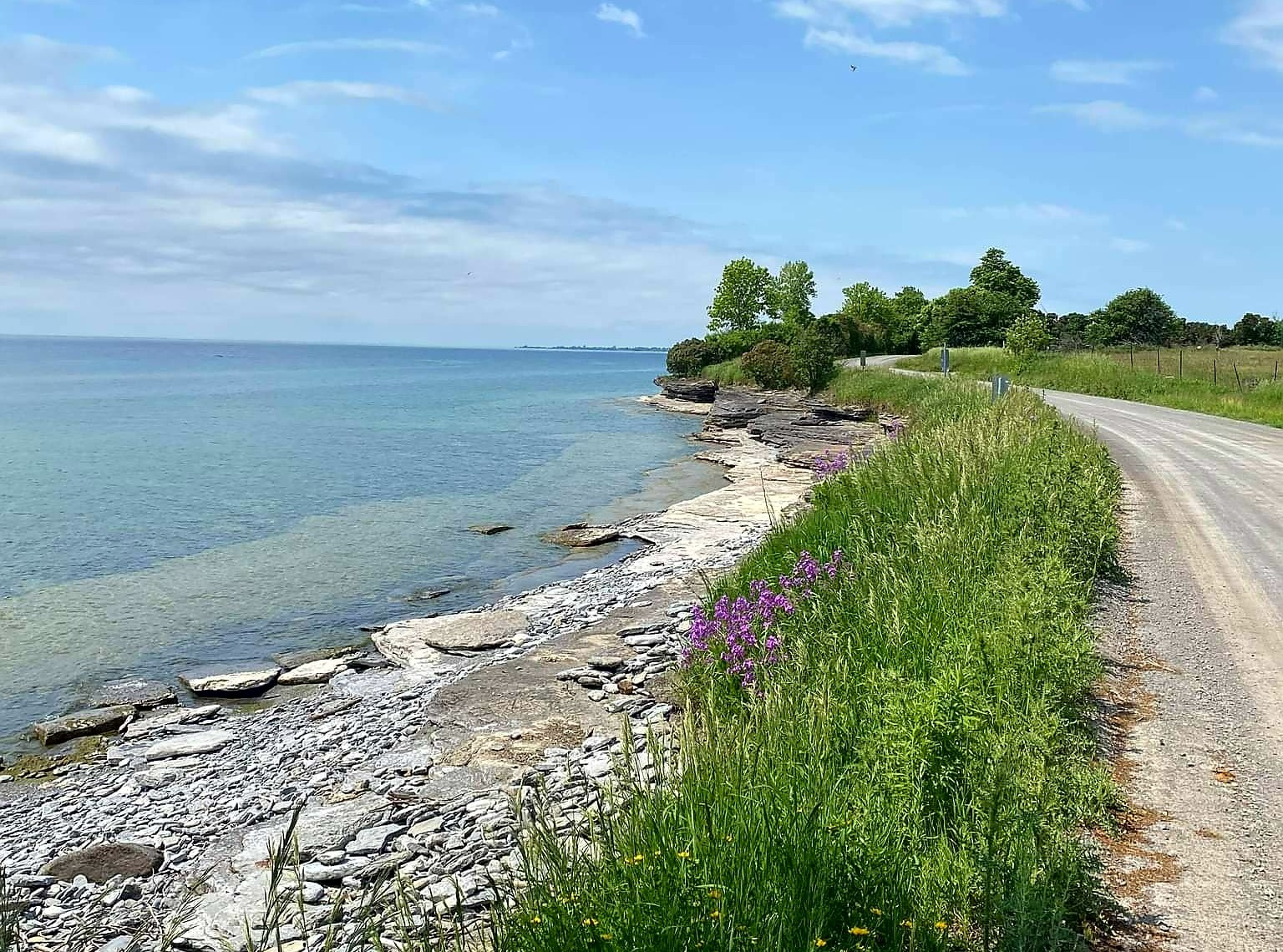
Rocky Bay of Fundy shoreline with turquoise water, wildflowers and a gravel road along the cliff top
The shoreline near the cliffs on a calm summer afternoon.
Four plates of restaurant food including pasta, steak sandwich, shrimp bowl and chicken pasta held against a blue backdrop
Lunch options from nearby cafés — plan to eat before or after the beach walk.
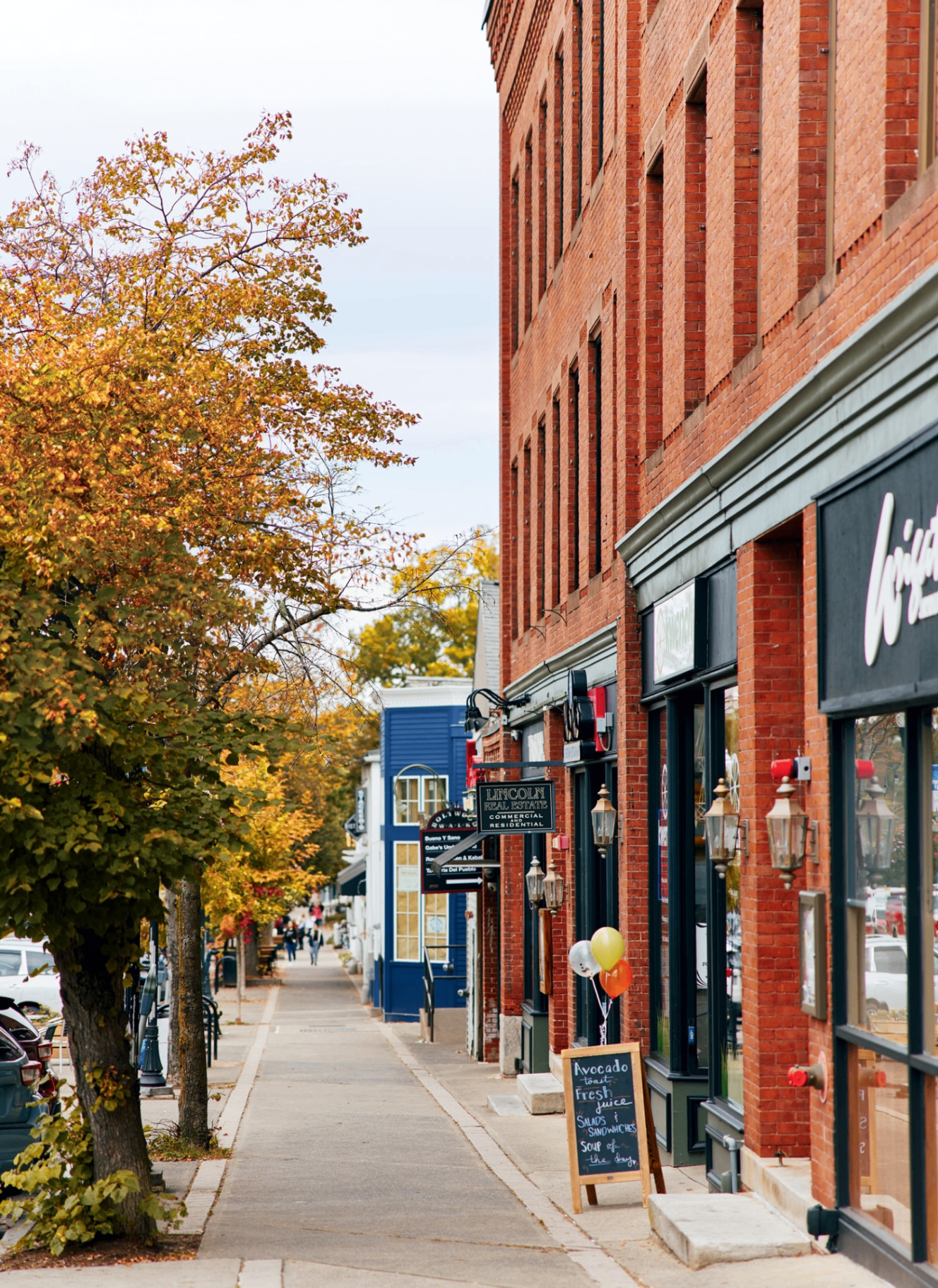
Brick storefronts and autumn trees along a small-town main street near Joggins
The main street in nearby Amherst — the closest full-service town to the cliffs.
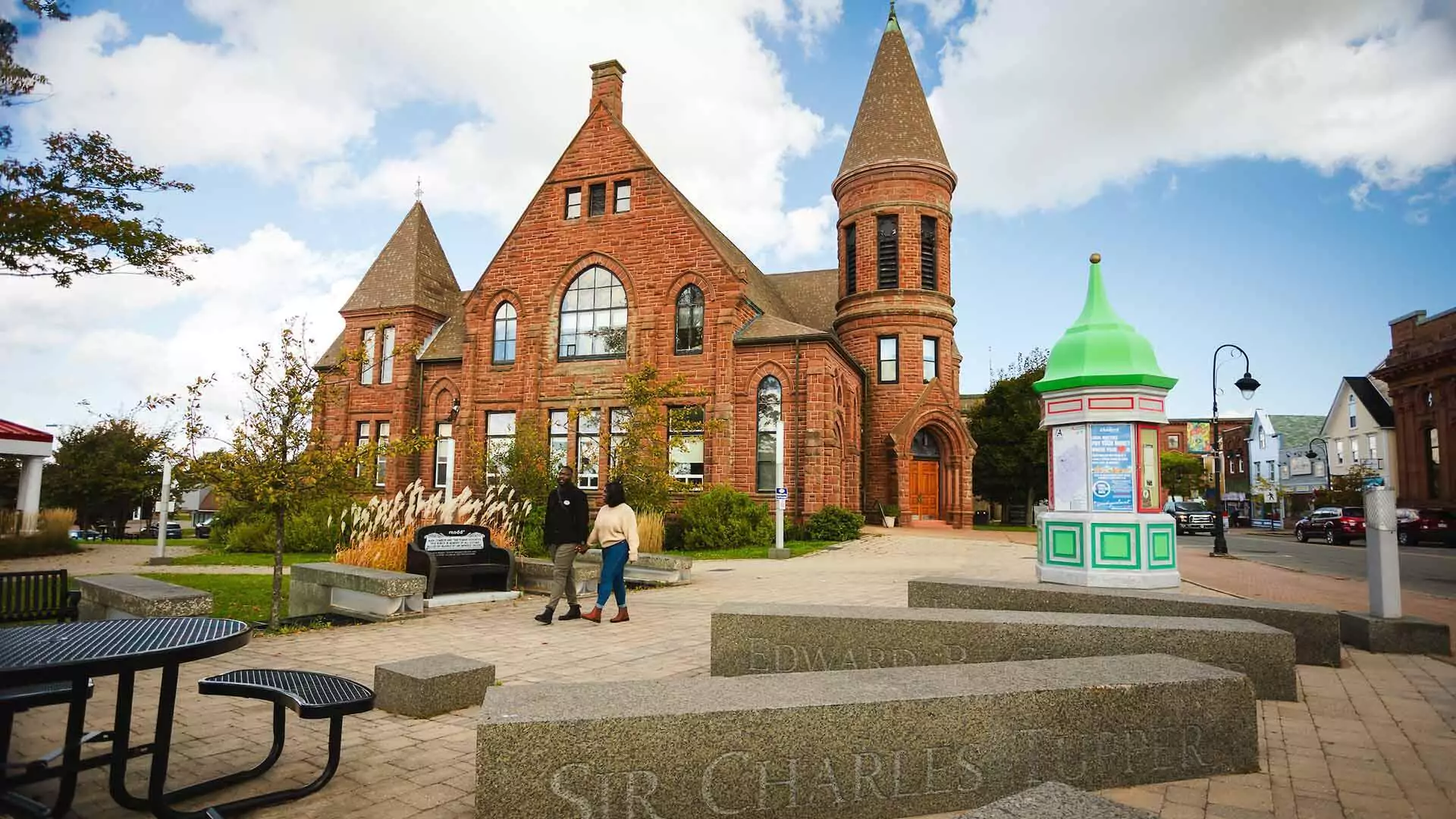
Historic red sandstone building with a green-domed kiosk on a town square near Joggins
Historic sandstone architecture in Amherst — a good rainy-day detour.